directors, technical managers, company environmental specialists, operations and site managers and to national industrial gas associations on management of fluorinated gases (F gases).

This publication details the environmental impacts of the management of acetylene plants and gives guidelines on how to reduce those impacts. This publication is intended to serve as a guide for acetylene plant operations to assist in putting in place a formal environmental management system that can be certified by an accredited third-party verifier. It […]

Refrigerated liquefied carbon dioxide has specific physical properties that present additional handling risks as compared to other cryogenic gases. This publication focuses on these risks and gives guidance on how they can be handled. This publication contains information and guidance for transport function personnel dealing with carbon dioxide. For further information on transport safety, refer […]

This document provides advice to the Homecare Service Provider about the minimum safety precautions to be given to a patient when they require to use medical oxygen supply systems outside the home environment and whilst travelling. The advice can also be provided to the travel companies, such as airlines, train and bus operators and public […]
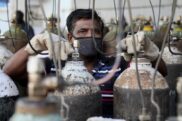
The British Compressed Gases Association (BCGA) has shared details of its online assets, which provide information on the safe and effective handling of oxygen, to the UK government to cascade to Indian authorities.

The value and significance of the nation's compressed gases sector were reinforced in the British Compressed Gases Association's (BCGA) digital conference and inaugural awards ceremony event.

The British Compressed Gases Association (BCGA) represents companies and individuals involved in the manufacture, mixing, handling, sales, distribution, storage and transportation of compressed gases and equipment, as well as designers, consultants, academics and training providers.
This document provides information on the reporting systems available in the UK if there is an incident with, or a problem is identified with, a medicinal gas or its associated medical device.

